Reza Shah The Great
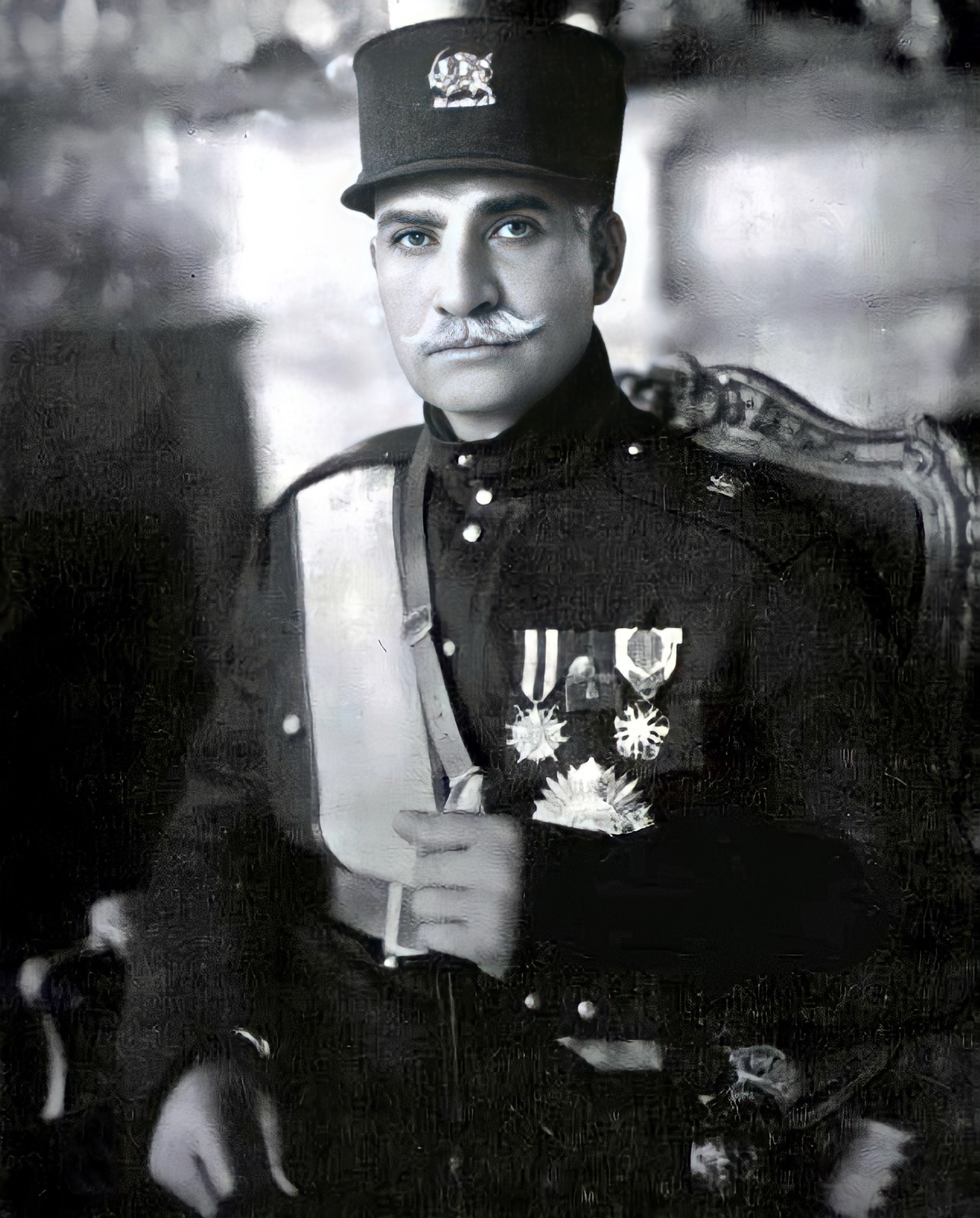
H.I.M. Reza Shah Pahlavi, often called Reza Shah the Great, was the founder of the modern Pahlavi dynasty in Iran. As a military leader turned monarch, he transformed a fractured nation into a centralized, secular state and laid the foundations of modern Iranian nationalism and statehood.
For two decades Reza Shah successfully balanced the interests of foreign powers with an eye to Iran’s oil and location bordering the Persian Gulf. But in August 1941 Great Britain and Soviet Russia invaded Iran, ostensibly to block Nazi Germany from seizing control of Iran’s land and rail routes. Reza Shah abdicated in his son’s favor on September 16, 1941, and ended his days in exile in South Africa.
Early Life and Rise to Power
Reza Shah was born in 1878 in Alasht. At the age of 15, he joined the Persian Cossack Brigade, where he quickly distinguished himself. As a result, he rose through the ranks rapidly. Then, in 1921, he led a coup and became Prime Minister. Finally, in 1925, he was crowned Shah of Iran, marking the beginning of the Pahlavi dynasty.
Modernizing Iran: Key Policies and Reforms
Once Shah, Reza Shah pursued an ambitious program of political, social, and economic reform aimed at modernizing Iran and freeing it from foreign domination:
Military and State Reform
- Reorganized and modernized the Iranian army.
- Strengthened central government authority over restive tribal regions.
Infrastructure and Industrial Growth
- Built the Trans-Iranian Railway and expanded road networks.
- Constructed modern factories, railroads, airstrips, and ports.
Education and Judicial System
- Secularized the education system with new schools and universities, including the University of Tehran in 1934.
- Reformed Iran’s judiciary to reduce clerical influence.
Social and Cultural Change
- Emancipated women and introduced modern dress reforms.
- Formalized Iran as the country’s name internationally, moving away from Persia.
Economic Sovereignty
- Renegotiated foreign oil concessions for more favorable terms.
- Laid the groundwork for a modern taxation and financial system.
Overall, Reza Shah’s reforms reshaped Iran into a centralized, secular, and modern nation with improved infrastructure, educational access, and national unity.
Challenges and Controversies
While his ambition brought dramatic modernization, Reza Shah’s rule was authoritarian and often suppressed political dissent. He banned trade unions and political parties, and freedom of the press was heavily restricted.
Additionally, his efforts to limit foreign influence sometimes backfired. For example, during World War II, Reza Shah refused to expel German technicians — which Britain viewed as a threat — leading to an Allied invasion in 1941. Under pressure, he abdicated in favor of his son, Mohammad Reza Pahlavi.
Personal Life and Family
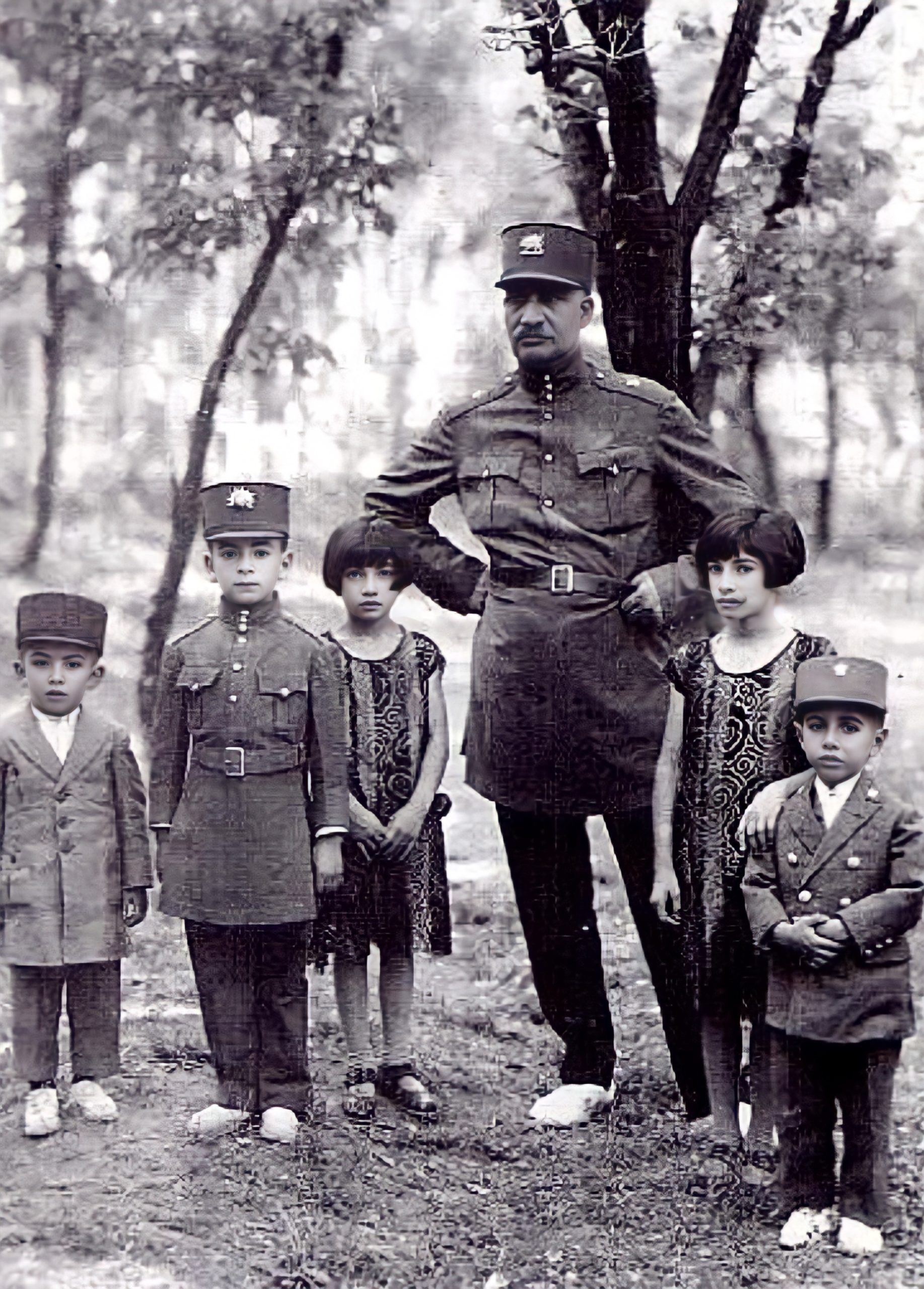
Throughout his life, Reza Shah had four marriages:
- Maryam Khanum (died 1904) — one daughter
- Tadj ol-Molouk (1896–1982) — four children including Mohammad Reza and Princess Shams
- Turan (Qamar ol-Moluk) — one son
- Esmat Dowlatshahi — several children, including Prince Abdulreza and Princess Fatimeh
Legacy and Impact
Reza Shah died in exile in Johannesburg, South Africa, on July 26, 1944, at age 66.
Although his rule was marked by authoritarianism, his legacy endures in modern Iran’s national identity, state institutions, and infrastructure. His efforts to centralize power, expand education, and modernize the economy laid the foundation for the nation’s later developments — while also sparking debates about modernization versus personal freedoms.
Why Reza Shah Matters Today
Reza Shah’s life and reforms remain crucial to understanding 20th-century Iranian history. His transformation of Iran from a fragmented, feudal society into a more unified and modern nation continues to influence how Iranians view governance, sovereignty, and national pride.
House of Pahlavi
Spouses and Issue
-
Maryam Khanum (died 1904)
- Issue: Hamdam Saltaneh Pahlavi (1903–1992)
-
Tadj ol-Molouk
(1896–1982)
- Princess Shams Pahlavi (1917–1996)
- Crown Prince Mohammad Reza Shah Pahlavi (1919–1980)
- Princess Ashraf Pahlavi (1919–2016)
- Prince Ali Reza Pahlavi (1922–1954)
- Princess Shahnaz Pahlavi (born 1940)
- Crown Prince Reza Pahlavi (born 1960)
- Princess Farahnaz Pahlavi (born 1963)
- Prince Ali-Reza Pahlavi (1966–2011)
- Princess Leila Pahlavi (1970–2001)
- Princess Noor Pahlavi (born 1992)
- Princess Iman Pahlavi (born 1993)
- Princess Farah Pahlavi (born 2004)
- Princess Iryana Leila Pahlavi
-
Turan (Qamar al-Molk) Amir Soleimani (1904–1995)
- Issue: Gholam Reza Pahlavi (born 1923)
-
Esmat Dowlatshahi (1904–1995)
- Abdul Reza Pahlavi (1924–2004)
- Ahmad Reza Pahlavi (1925–1981)
- Mahmud Reza Pahlavi (1926–2001)
- Fatimeh Pahlavi (1928–1987)
- Hamid Reza Pahlavi (1932–1992)
Parents
Father: Abbas Ali Khan
Mother: Noush-Afarin Ayromlou
Personal Details
- Born: 15 March 1878, Alasht, Savad Kooh, Mazandaran, Persia (Iran)
- Died: 26 July 1944 (aged 66), Johannesburg, South Africa
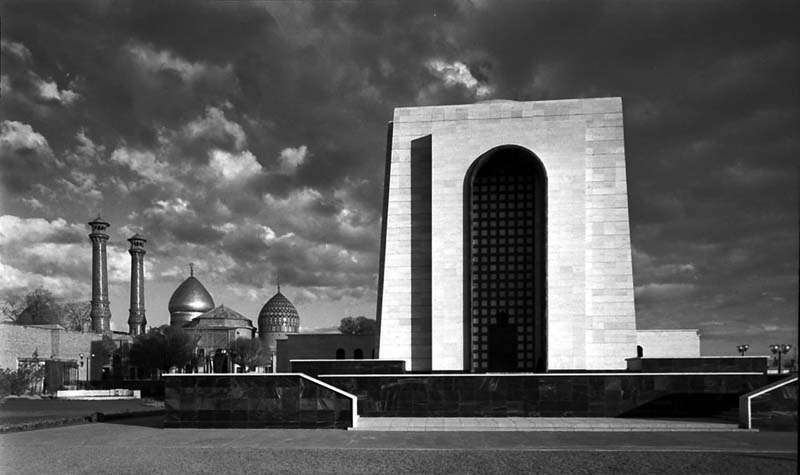
- Burial: Reza Shah’s Mausoleum, Ray, Tehran, Iran